One thing before you go
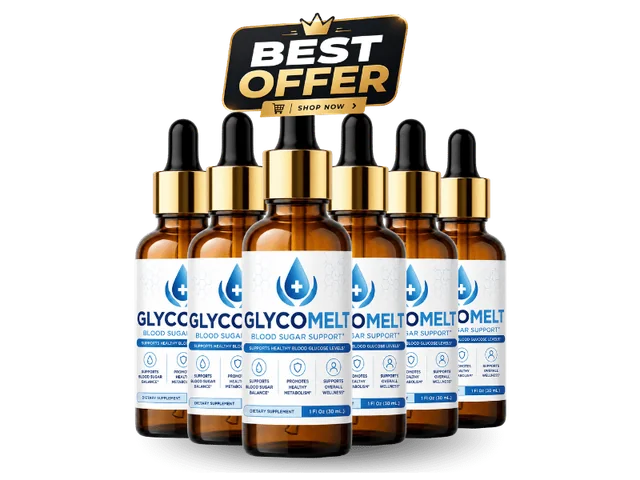
The 6-bottle bundle brings GlycoMelt to $49 a bottle with free US shipping, covered by the 60-day money-back guarantee.
See today's priceBerberine is a yellow alkaloid found in plants such as barberry and goldenseal. It has been used in traditional medicine for centuries and, over the past two decades, has become the most-studied botanical compound for glucose metabolism.
Berberine activates AMPK, an enzyme often described as the cell's energy sensor. When AMPK switches on, muscle cells take up more glucose and the liver releases less. That is the mechanism behind most of the research interest, and it is why berberine sits in the balance group of the GlycoMelt formula.
Human trials indexed on PubMed generally used berberine on its own, at several hundred milligrams a day, for eight to twelve weeks. The chart shows the trial lengths that dominate the literature.
Typical durations in the human literature, not results. Illustrative of how long researchers run these trials.
GlycoMelt includes berberine in a 1 ml serving alongside twenty-one other actives, and the amount is not published. Treat berberine here as the rationale behind the formula's balance stage rather than as proof of a specific effect — and give the product the same eight-week window the research used.
Disclosure: this is an independent guide and may earn a commission on purchases made through its links. GlycoMelt is a dietary supplement and these statements have not been evaluated by the FDA.
The 6-bottle bundle brings GlycoMelt to $49 a bottle with free US shipping, covered by the 60-day money-back guarantee.
See today's price